
In today’s hyper-connected global economy, container ships are the silent force moving the world forward. From the smartphone in your hand to the furniture in your home, a significant portion of everyday goods has likely traveled across oceans inside a steel container. Over the past few
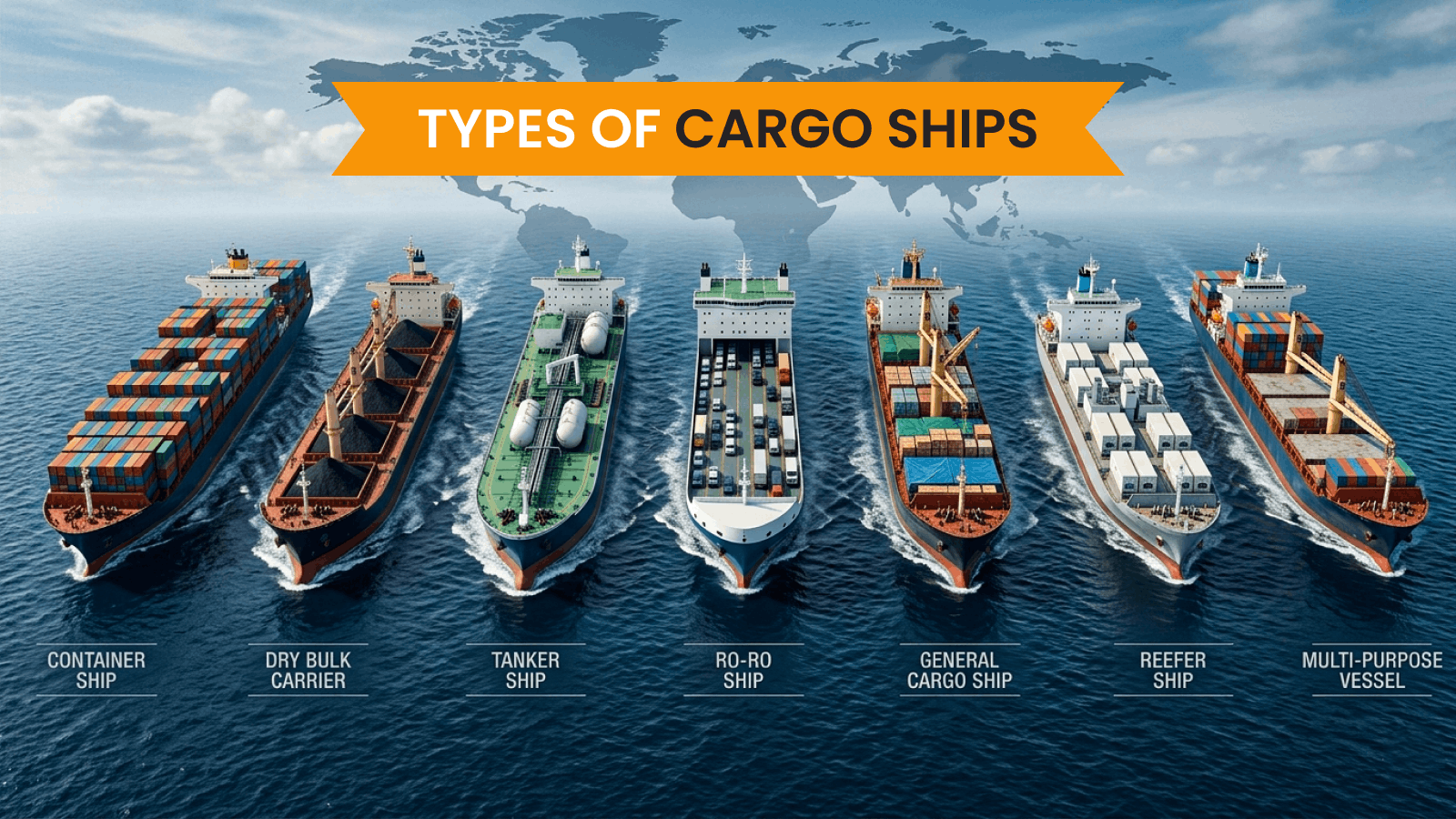
Every product you use daily has a journey behind it. From smartphones and cars to food and fuel, most goods travel thousands of miles before reaching the United States. The backbone of this global movement is ocean shipping. Businesses often rely on professional Ocean Freight Services

The administration of Donald Trump has confirmed it will continue enforcing 50% tariffs on a wide range of imported steel, aluminum, and copper products. At the same time, officials are introducing new exemptions to simplify the policy and reduce the burden on businesses. According to a
Logistics is one of the most important parts of modern business. Every time a product moves from a factory to a warehouse, from a port to a distribution center, or from a store to a customer’s doorstep, logistics is at work behind the scenes. However, the
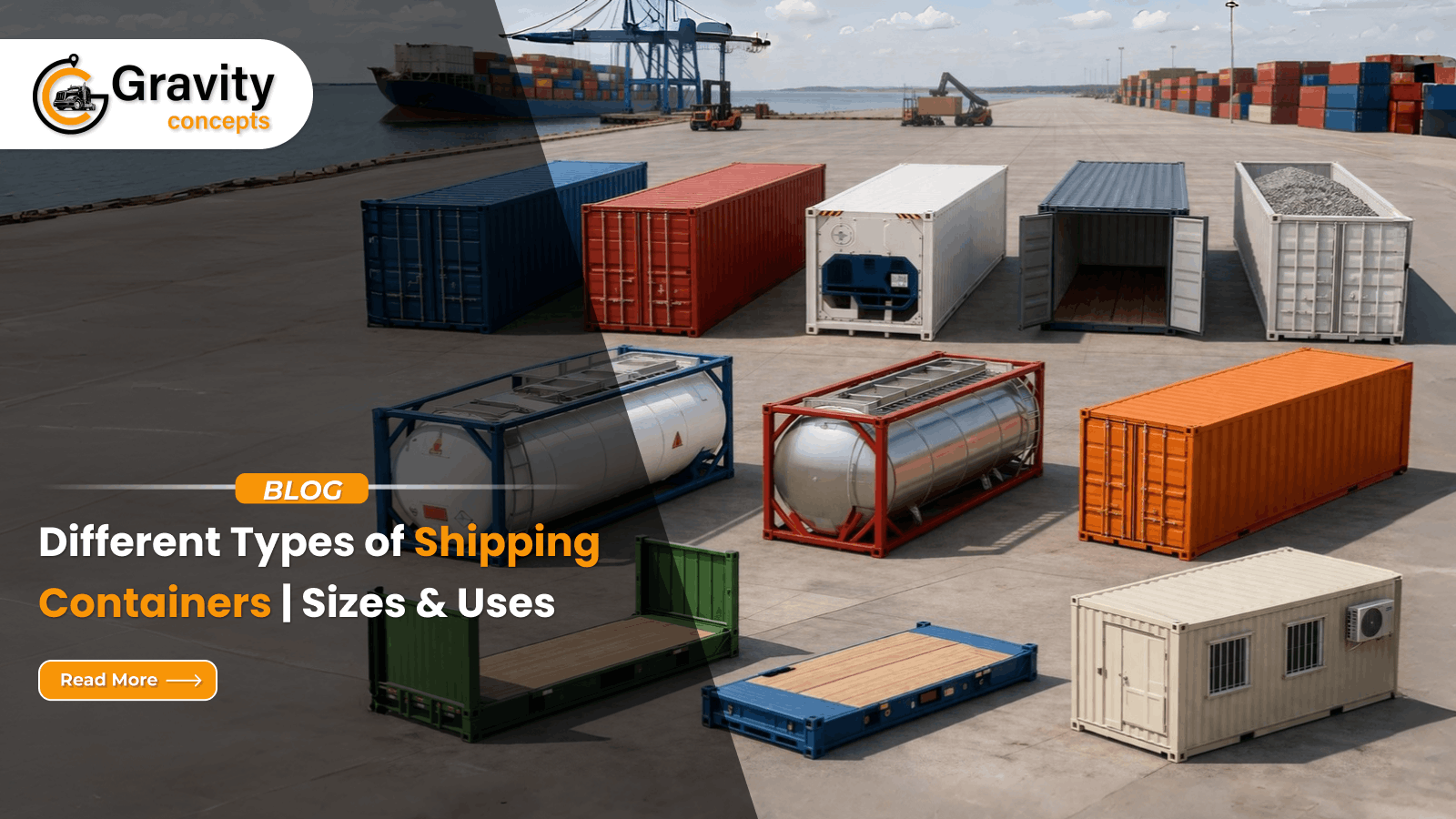
The Million-Dollar Mistake It doesn’t start with a storm or a supply chain breakdown. It starts with a simple decision — choosing the wrong container shipping solution or cargo containers. Every year, U.S. businesses lose millions due to cargo damage, unexpected port delays, and rising detention
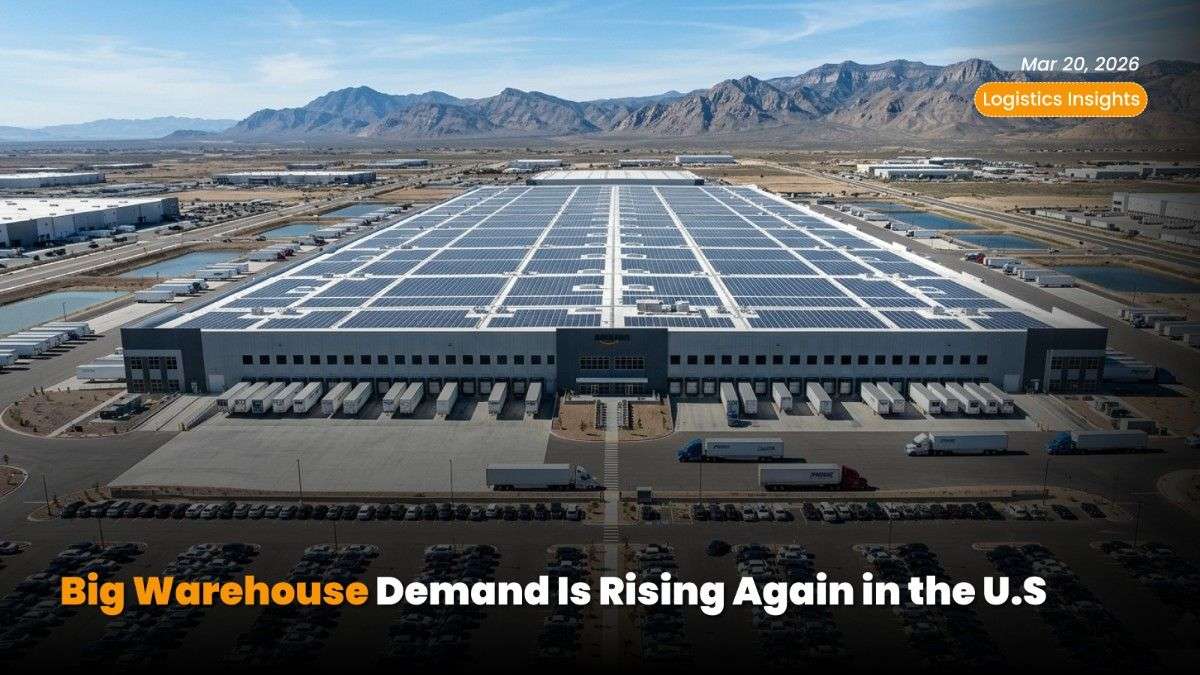
After a period of slower activity, demand for large warehouse facilities across the United States is making a strong comeback. Businesses are once again actively leasing expansive industrial spaces, signaling renewed confidence in the market. According to Cushman & Wakefield, companies secured 146 leases for warehouses
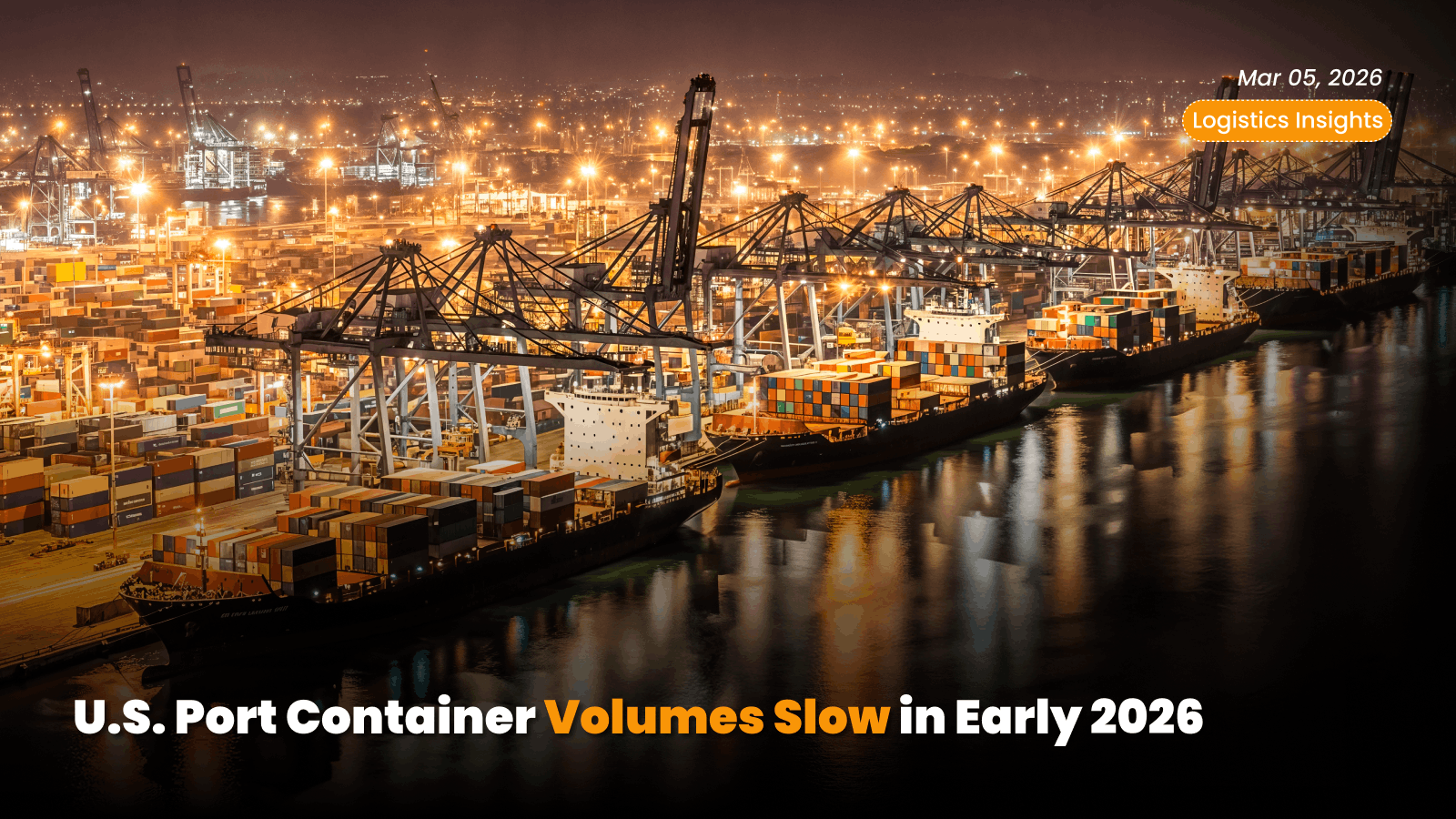
Container traffic across major U.S. ports showed a slower start to 2026, following an unusually strong shipping year in 2025. The drop in January volumes was largely expected as many businesses had accelerated shipments late last year to get ahead of possible tariff increases. This earlier
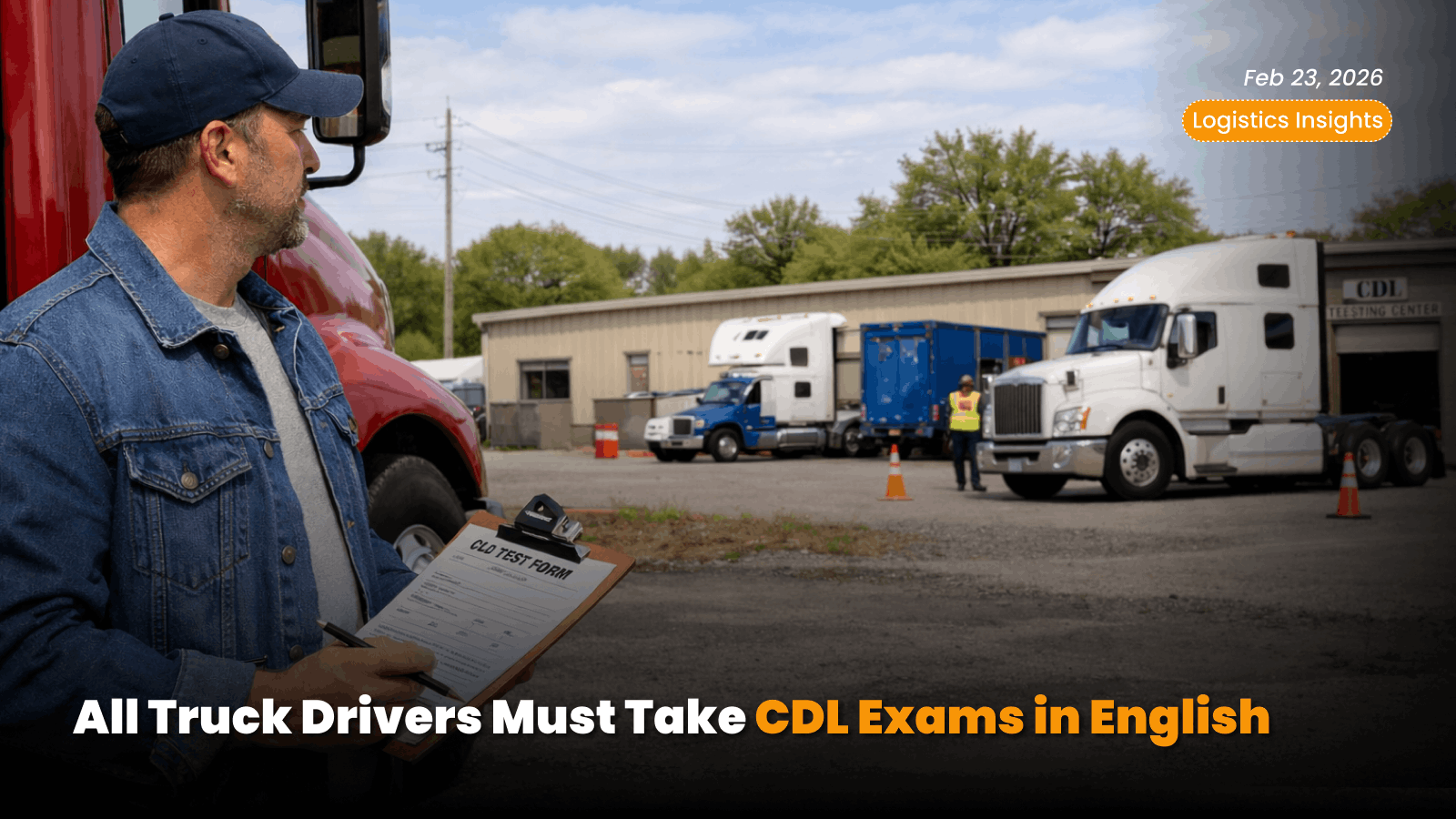
The U.S. Department of Transportation (DOT) has announced that all commercial truck and bus drivers will now be required to take their Commercial Driver’s License (CDL) exams in English. The change is part of a broader safety initiative aimed at improving road safety standards and removing
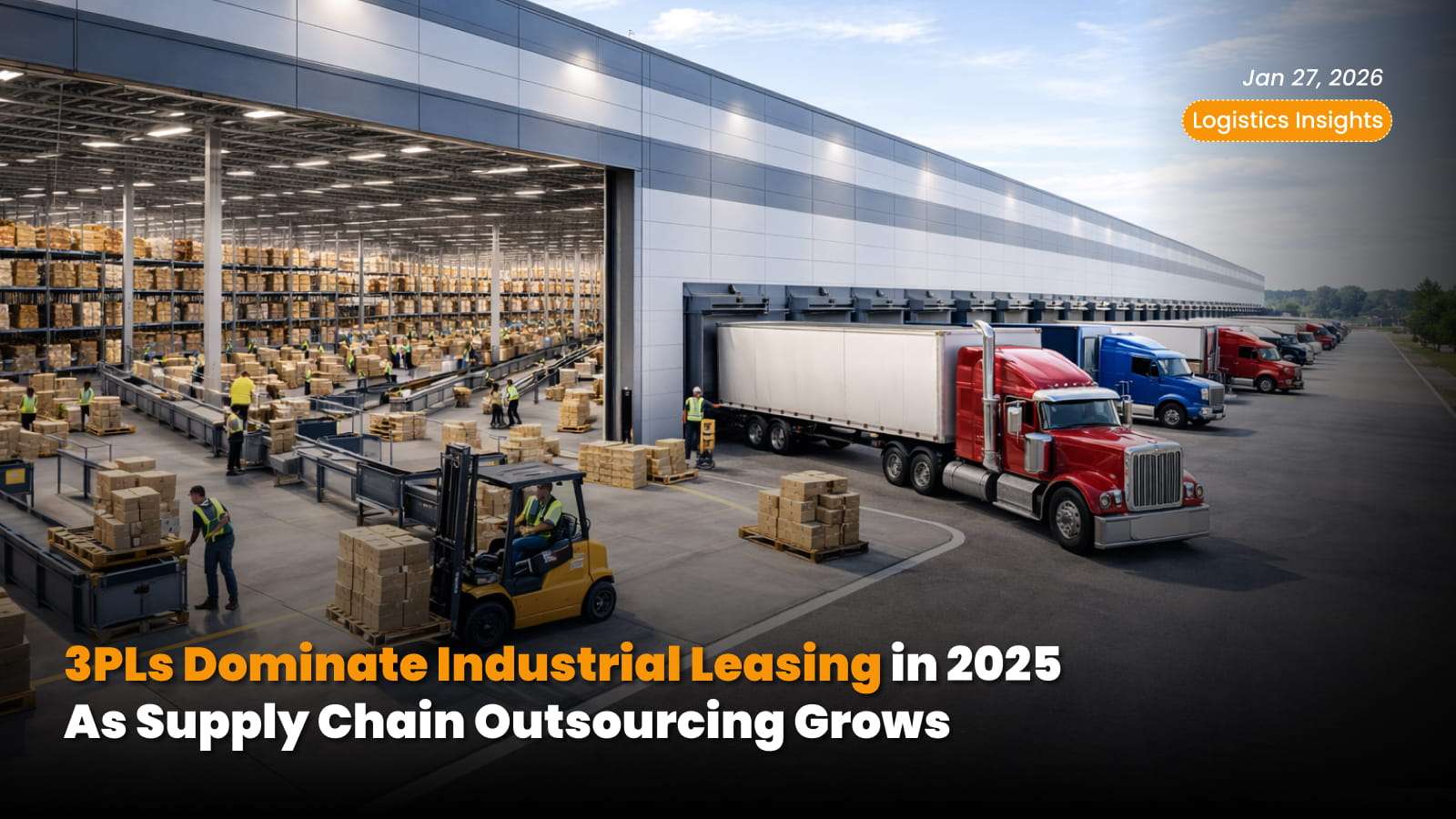
Third-party logistics providers (3PLs) became the top drivers of major industrial lease activity in 2025, reflecting a growing trend of companies outsourcing supply chain operations. A new report from CBRE shows that 3PL companies signed 44 of the 100 largest industrial leases last year. That is
The U.S. federal budget deficit declined to $1.67 trillion in 2025, marking its lowest level in three years. The improvement was driven largely by a sharp increase in customs and tariff collections, according to Treasury Department data released on January 13. For December alone, the government